

For eyewear brands, importers, distributors, Amazon sellers, and retail buyers, choosing between OEM and ODM is one of the first decisions before starting a sunglasses or optical frame project. The two models may look similar from the outside, but they affect product development cost, sample time, MOQ, customization depth, production risk, and how fast your collection can enter the market.
If you are building a private label eyewear line, ODM can help you launch faster by using existing frame styles with selected customization. If you already have a unique product design, OEM may give you more control over structure, material, lens, and branding details. The right choice depends on your business stage, target market, budget, timeline, and product requirements.
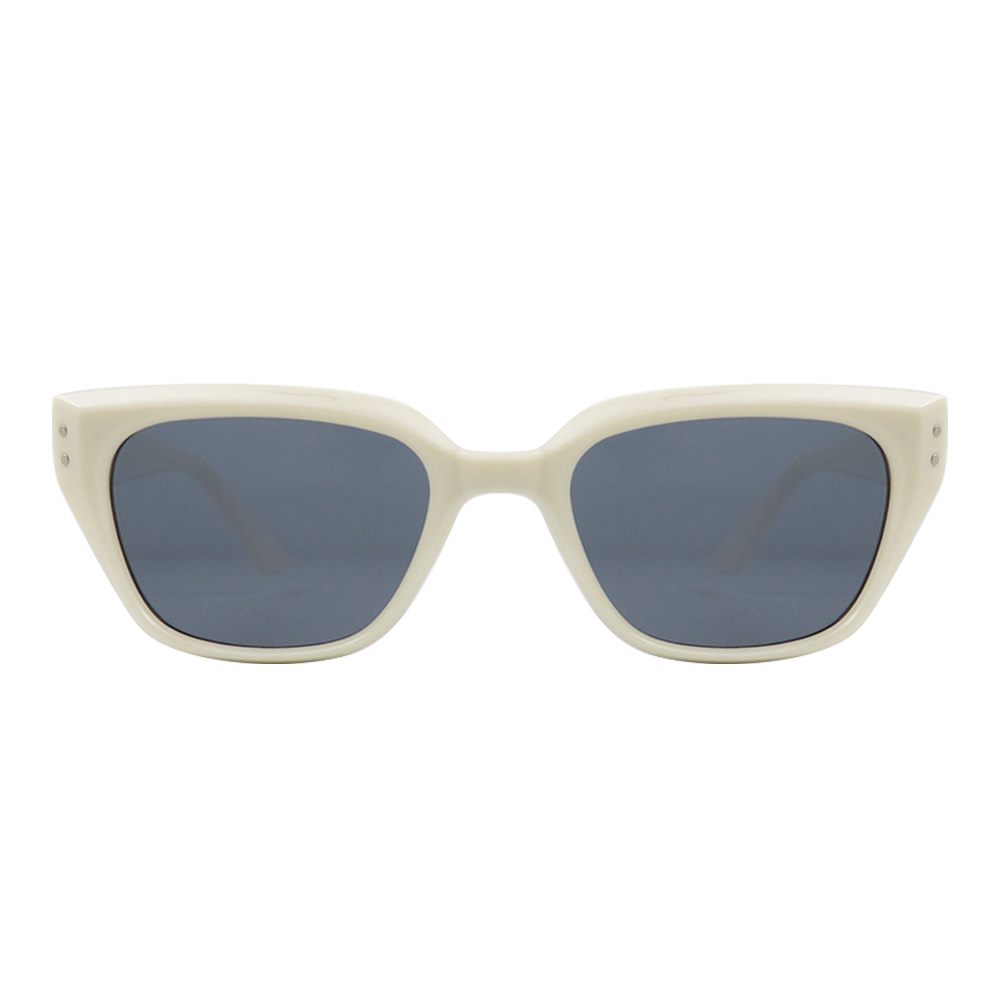 |
Quick AnswerChoose ODM eyewear if you want to start with existing sunglasses or optical frame styles, customize logo, color, lens, and packaging, and move faster with lower development risk. Choose OEM eyewear if you need a more original product structure, special design details, or a frame developed around your own drawings and brand concept. Review OEM and ODM Services |
ODM means original design manufacturing. In the eyewear industry, this usually means the manufacturer already has available frame designs, molds, material options, and production experience. The buyer selects suitable styles and customizes selected parts such as logo, frame color, lens color, packaging, case, pouch, or cleaning cloth.
ODM is often suitable for new brands, e-commerce sellers, seasonal collections, wholesale buyers, and companies that want to test the market before investing in a fully custom product. It can reduce development time and help buyers compare several product directions before confirming a bulk order.
OEM means original equipment manufacturing. In eyewear sourcing, OEM usually involves producing sunglasses or optical frames according to the buyer's own design requirements. The buyer may provide drawings, reference samples, technical requirements, material preferences, lens specifications, logo details, and packaging standards.
Compared with ODM, OEM can provide deeper customization. However, it also requires clearer specifications, more development communication, sample revisions, and often a more structured approval process before production.
| Decision Area | ODM Eyewear | OEM Eyewear |
| Starting point | Existing frame styles from the manufacturer. | Buyer design, drawings, samples, or special requirements. |
| Speed | Usually faster for sampling and market testing. | Usually longer because product details need development and approval. |
| Customization | Logo, lens, color, packaging, and selected details. | Frame structure, material, lens, logo, packaging, and product design. |
| Best for | Private label brands, Amazon sellers, wholesalers, seasonal collections. | Established brands, unique product lines, special design projects. |
Whether you choose OEM or ODM, clear project information helps the manufacturer provide more useful suggestions. A general request such as asking for a price is usually not enough. A better inquiry should include product category, target customer, quantity range, frame material preference, lens requirement, logo idea, packaging plan, and target market.
If you are comparing OEM and ODM options, start by reviewing available product categories. Existing models can help you understand style direction, frame structure, lens options, and possible private label customization before starting a more detailed development discussion.
ODM is often a practical starting point for new brands because it allows buyers to choose existing styles, customize branding, request samples, and test the market before investing in deeper product development.
Not always. It depends on how different your design is from existing structures. If the frame shape, size, or construction needs significant changes, mold discussion may be required.
Yes. Logo and packaging customization can often be discussed in both OEM and ODM projects. The available methods depend on frame material, order quantity, artwork files, packaging type, and supplier capability.
Many Amazon sellers start with ODM because it is faster and more flexible for testing. Once the product direction is proven, they may move toward more customized OEM development for stronger brand differentiation.
Jingseyewear supports eyewear OEM and ODM projects for importers, wholesalers, private label brands, Amazon sellers, e-commerce brands, and retail buyers. Send your product type, reference style, order quantity, logo requirement, packaging idea, and target market to discuss a suitable starting plan.
Contact Us on WhatsApp
OEM and ODM are both useful models in eyewear manufacturing, but they serve different business needs. ODM is usually better for faster private label launches and market testing, while OEM is better for brands that need deeper customization and more original product development. The best choice starts with a clear understanding of your target market, product requirements, budget, and launch timeline.


Please Read On, Stay Posted, Subscribe, And We Welcome You To Tell Us What You Think.



Copyright @ 2026 Xiamen Jings Eyewear Co., Ltd. All Rights Reserved.
 Network Supported