
Requesting eyewear samples is one of the most important steps before a bulk order. A sample helps the buyer check style, fit, material feel, lens color, logo position, packaging, and overall production direction. But a sample is not automatically a production standard. If the buyer does not define what should be checked, the factory may produce bulk goods based on a loose visual reference rather than an approved specification.
This guide explains how to request eyewear samples from a supplier, what information to send, and how to use sample approval to reduce risk before bulk production.
A sample request should start with a clear purpose. Some buyers need a style sample to choose a product direction. Some need a logo sample to confirm branding. Others need a pre-production sample that should match the final order as closely as possible. These are different requests, and they should not be treated the same way.
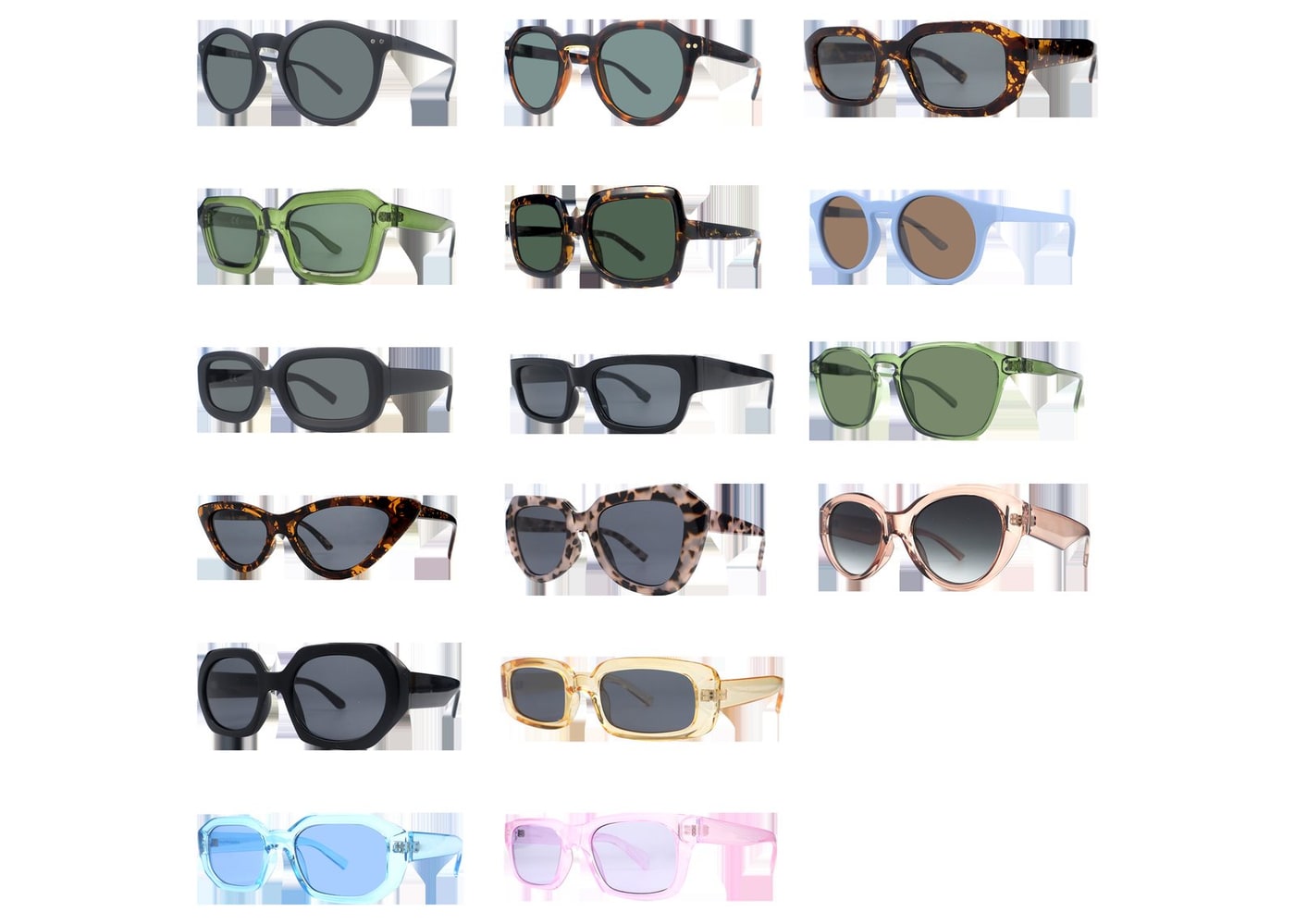
| Sample Type | Best Use | What It Does Not Prove |
|---|---|---|
| Available stock sample | Checking shape, fit, scale, and basic product quality quickly. | It may not show your final color, logo, lens, or packaging. |
| Logo sample | Confirming print, laser mark, lens logo, or packaging logo position. | It may not represent full bulk production consistency. |
| Pre-production sample | Approving the final reference before mass production. | It still needs written QC criteria and packaging confirmation. |
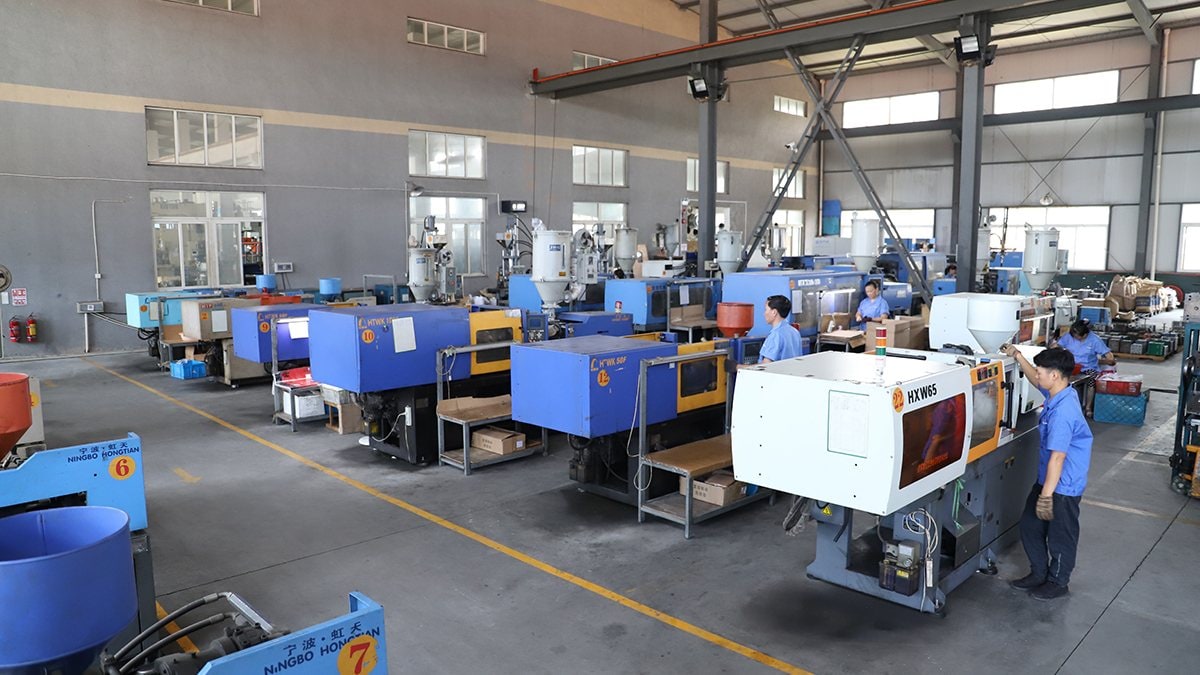
A good sample brief saves time for both buyer and factory. Instead of sending only a screenshot, include product category, frame material preference, lens requirement, logo method, packaging idea, quantity range, and target sales channel. If the buyer is not sure which style to choose, Jingseyewear can help shortlist options from current eyewear products before the sample is arranged.
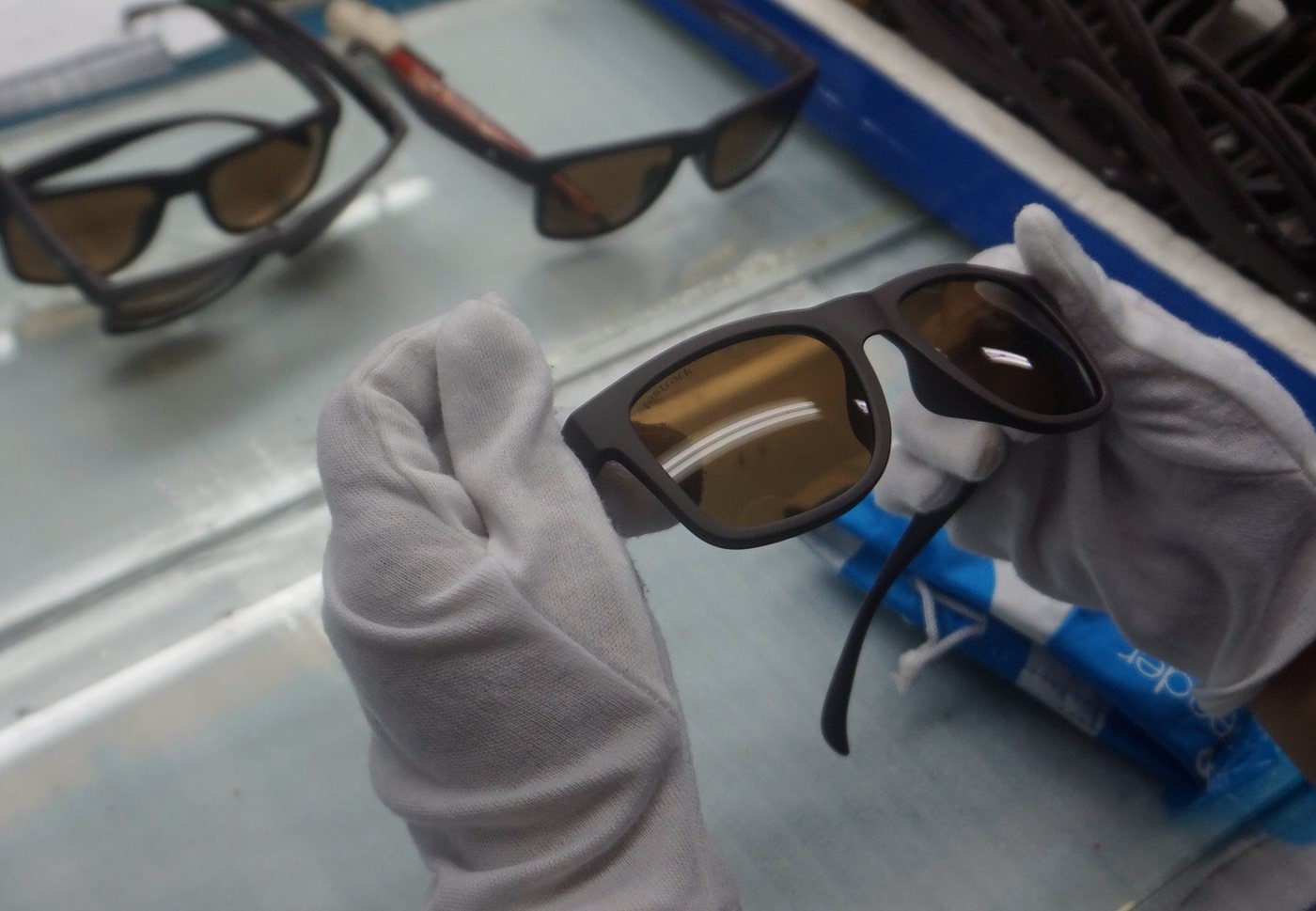
A sample can look good in a photo but still fail as a commercial product. Buyers should check it by hand: open and close the temples, inspect the surface under light, compare both sides of the frame, confirm lens fitting, wear-test the bridge and nose area, and check whether the packaging matches the brand position.
| Inspection Area | What to Check |
|---|---|
| Frame structure | Shape, balance, temple opening, hinge movement, and comfort. |
| Lens | Color, fitting, visible defects, UV400 or polarized requirement when applicable. |
| Logo | Position, size, color, sharpness, and whether it suits the selected frame material. |
| Packaging | Case, pouch, cloth, tag, barcode, carton mark, and retail presentation. |
After approving a sample, keep a dated approval record that both buyer and supplier can identify. Reference the product code, sample version, color and lens specification, logo artwork version, and agreed packaging. The record should distinguish approved items from open questions.
Use the agreed sample and written acceptance criteria together when reviewing bulk goods. Confirm project-specific requirements and commercial terms before releasing the order.
Request another sample when the frame structure changes, lens function changes, logo method changes, packaging changes, or a defect in the first sample affects the buyer's sales promise. If the change is minor, clear photos or a written confirmation may be enough. For higher-value orders, a final pre-production sample is usually safer before bulk production.
Jingseyewear can help buyers organize sample requests, compare product options, confirm OEM/ODM details, and prepare production checklists. Contact Jingseyewear with your style references, target quantity, logo plan, and sample purpose.


Please Read On, Stay Posted, Subscribe, And We Welcome You To Tell Us What You Think.



Copyright @ 2026 Xiamen Jings Eyewear Co., Ltd. All Rights Reserved.
 Network Supported