
A seasonal sunglasses collection is not only a group of attractive styles. For a fashion brand, importer, or distributor, it is a buying decision that must balance trend appeal, SKU depth, price positioning, sample timing, packaging, and repeat order potential. If the assortment is too narrow, the collection may not cover enough customers. If it is too broad, inventory risk rises quickly.
This guide explains how to plan a wholesale fashion sunglasses collection with a supplier, how to choose safer first-order styles, and what to confirm before moving from sample approval to bulk production.
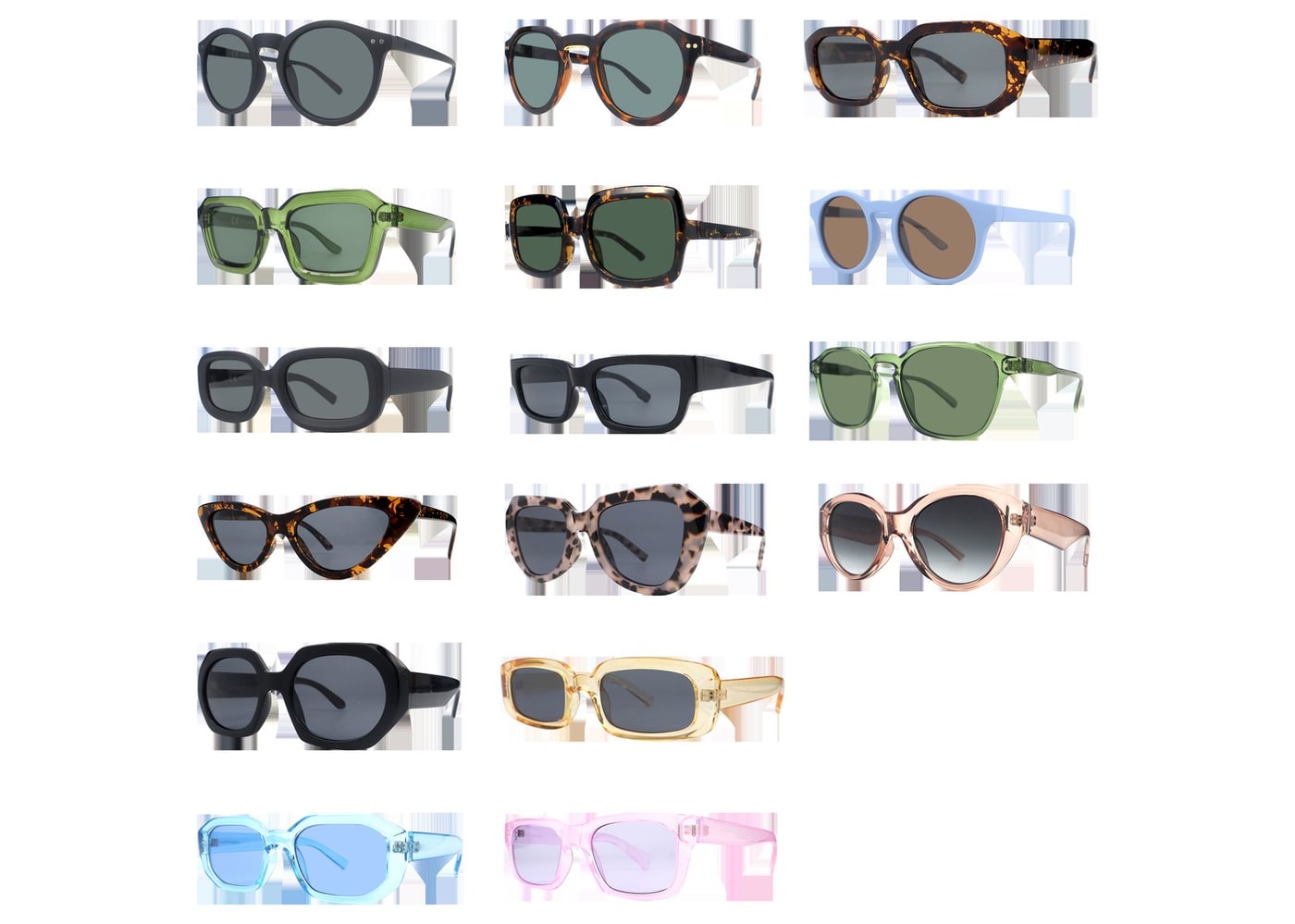
The best wholesale assortment depends on where the sunglasses will be sold. A beach shop, boutique fashion store, online marketplace, festival pop-up, and distributor catalog do not need the same product mix. Before selecting styles from a sunglasses product range, define the sales channel, target retail price, expected customer age group, and visual identity of the collection.
| Sales Channel | Safer First-Order Mix | Main Risk |
|---|---|---|
| Boutique fashion retail | A few signature shapes with controlled colors and elevated packaging. | Too many generic styles that do not support brand identity. |
| Online marketplace | Photo-friendly colors, clear lens claims, and styles with broad face-shape appeal. | Good photos but weak fit, QC, or packaging consistency. |
| Distributor catalog | Classic aviator, square, round, cat-eye, sports, and kids options across price levels. | Assortment overlap with no clear market segmentation. |
| Resort or beach retail | Lightweight frames, comfortable fit, UV400 requirement, and bright seasonal color options. | Overly delicate styles that do not fit outdoor use. |
A practical seasonal collection usually needs three layers. First, core styles that can sell for a longer period. Second, fashion styles that give the range freshness. Third, test styles that let the buyer explore a trend without committing too much inventory. This structure helps brands avoid the common mistake of building the whole order around one short-lived look.
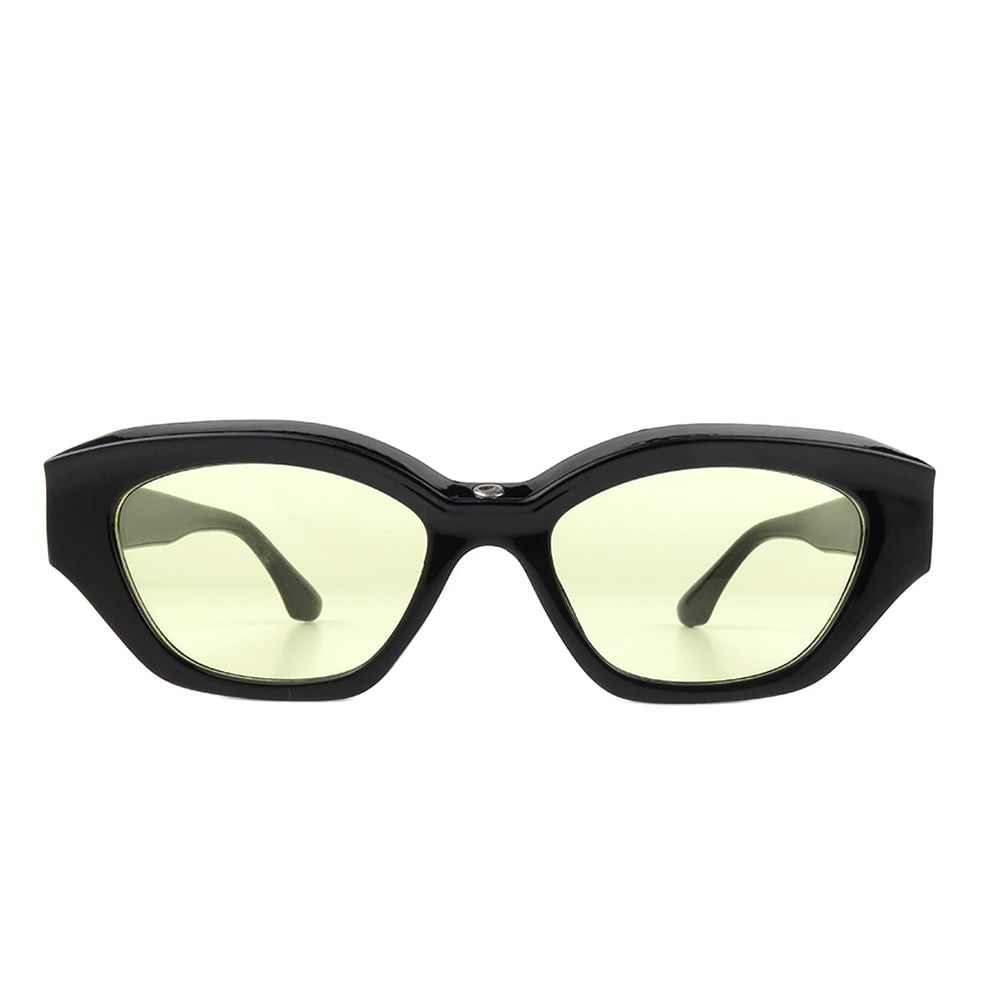
Wholesale margin is affected by more than frame price. Logo method, lens material, UV400 requirement, polarized option, case type, cleaning cloth, barcode label, carton packing, and sample revision can all change the final project cost. When working with an eyewear OEM/ODM supplier, ask the factory to separate the base product cost from optional upgrades so the collection can be adjusted without losing its commercial position.
| Decision | What to Ask |
|---|---|
| Lens function | Confirm UV400, polarized or non-polarized, lens color, material, and whether test documents are required. |
| Logo | Confirm print, laser, metal logo, lens logo, or packaging-only branding. |
| Packaging | Confirm pouch, case, cloth, hang tag, barcode sticker, and carton mark requirements. |
| Assortment | Confirm how many styles and colors are safe for the first order before expanding the range. |
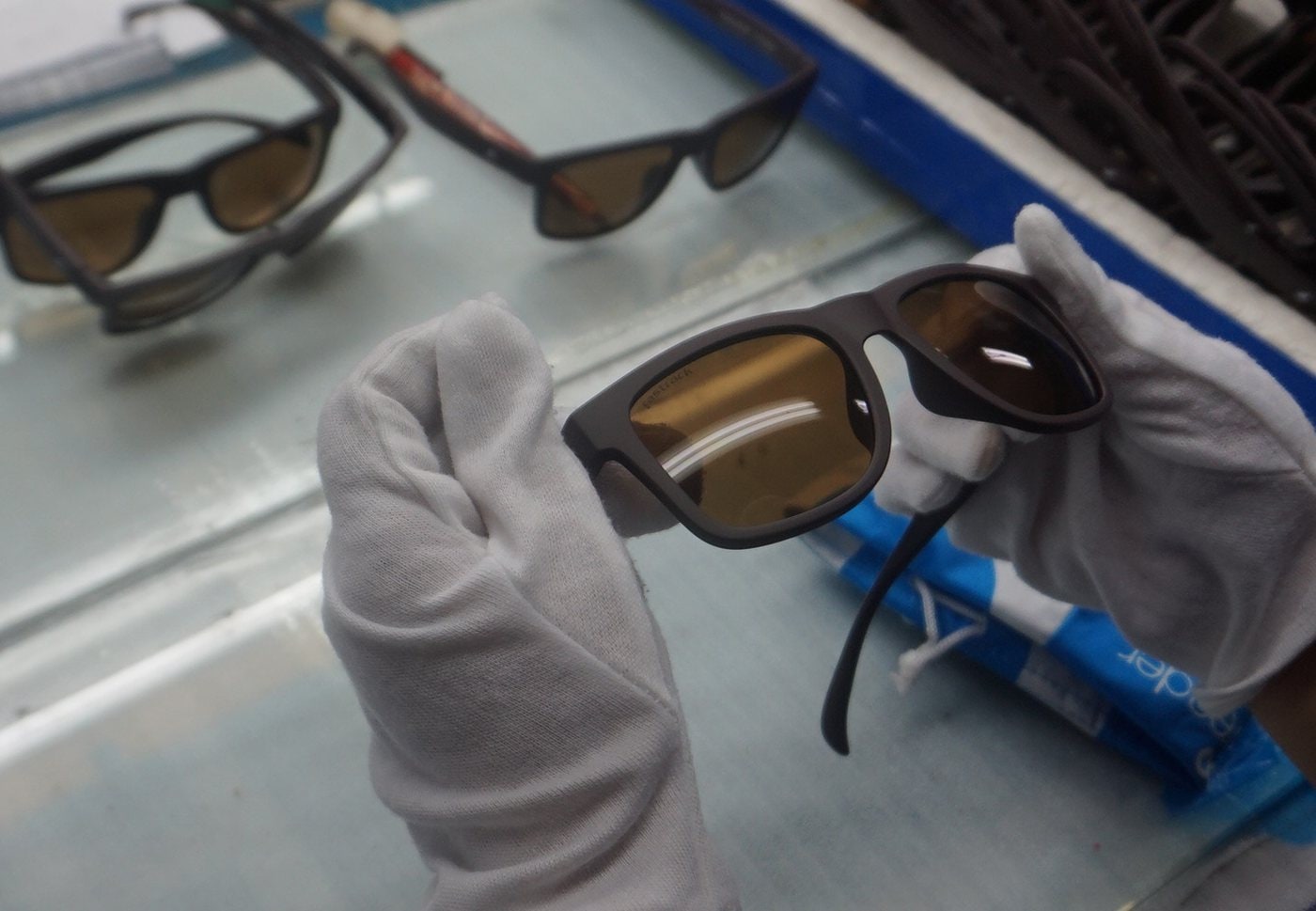
For seasonal sunglasses, sample approval should not be rushed just because the buying window is short. Buyers should check frame color, lens shade, logo placement, packaging match, hinge movement, surface finish, and fit. If the order includes several colors, approve each colorway or request clear production reference photos before bulk goods are packed.
To get a useful quotation, send the supplier your target market, reference styles, expected quantity range, lens requirement, logo plan, packaging idea, and launch timing. If you are unsure which styles to start with, ask Jingseyewear for catalog options and sample suggestions based on your channel. You can also request the eyewear catalog first, then shortlist the safest seasonal styles for your order.
Jingseyewear can support fashion sunglasses wholesale projects with product selection, OEM/ODM customization, sample coordination, packaging discussion, and pre-shipment QC. Contact Jingseyewear with your collection direction, quantity plan, and target sales channel.


Please Read On, Stay Posted, Subscribe, And We Welcome You To Tell Us What You Think.



Copyright @ 2026 Xiamen Jings Eyewear Co., Ltd. All Rights Reserved.
 Network Supported