
Choosing an eyewear supplier is not only about comparing unit prices. For importers and distributors, the more important question is whether the supplier can support stable product selection, clear customization, reliable samples, practical quality control, and repeat orders. A supplier that looks attractive at the quotation stage may still create problems if the product range is unclear, samples are not checked properly, or packaging and inspection details are not confirmed before production.
This checklist is designed for business buyers who source sunglasses, optical frames, private label eyewear, or OEM/ODM eyewear from China. It helps you evaluate a supplier before placing an order and prepare better questions for quotation, samples, and bulk production.
A good eyewear supplier should match the product category you actually need. Some buyers need fast-moving fashion sunglasses, while others need lightweight PC and TR90 sunglasses, acetate frames, metal sunglasses, sports sunglasses, kids eyewear, or optical frames. Before asking for a price, confirm whether the supplier has enough experience in the category you plan to sell.
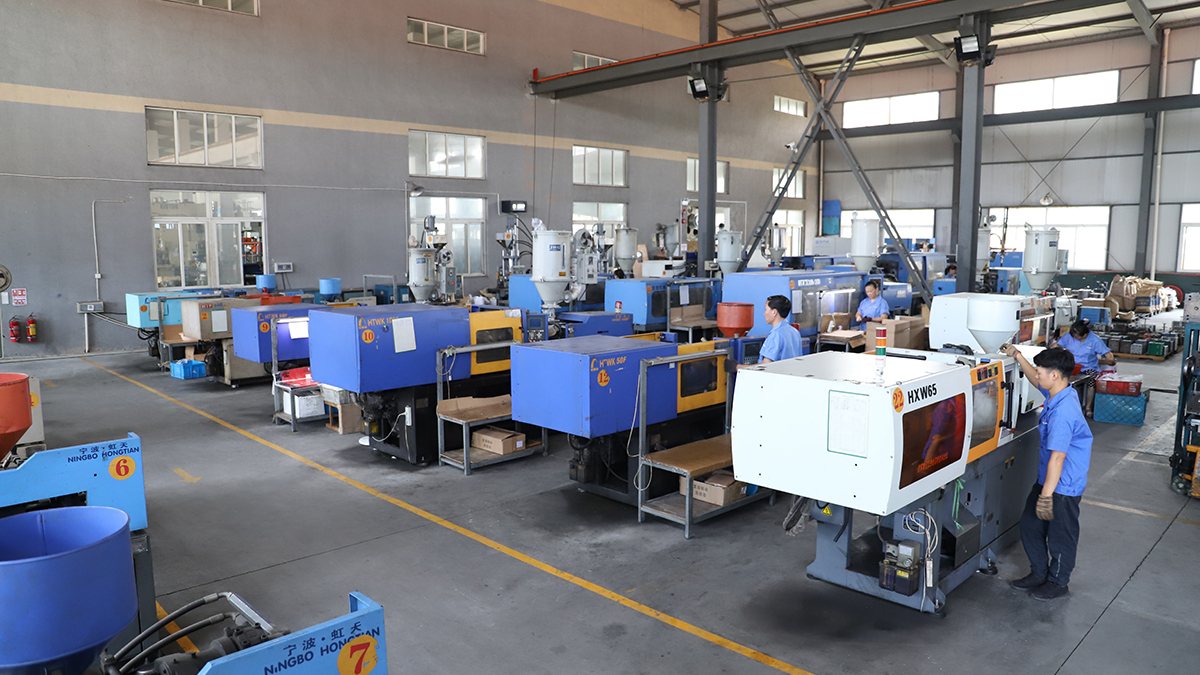
A broad but organized product range helps buyers compare shapes, frame materials, lens colors, and assortment planning before building a first order.
| What to check | Why it matters |
|---|---|
| Product category coverage | Importers and distributors often need several styles for one season. A supplier with a suitable product range can help reduce repeated sourcing work. |
| Material options | PC, TR90, acetate, metal, and mixed-material frames have different cost, weight, style, and customization considerations. |
| Market fit | A product suitable for a beachwear distributor may not be the best option for a retail chain, outdoor brand, or optical store buyer. |
Many eyewear orders involve some level of customization. This may include logo printing, lens color, frame color, packaging, barcode labels, hang tags, microfiber pouches, cases, or carton marks. These details can affect MOQ, sampling, cost, and production planning. Buyers should not compare quotations until the customization scope is clear.
| Basic private label | Existing frame style with buyer logo, standard or selected lens color, and simple packaging adjustment. |
| More customized order | Special frame color, custom lens effect, branded packaging, retail labels, or multiple SKU combinations. |
| OEM/ODM project | New design direction, special structure, prototype discussion, material confirmation, and sample approval before bulk order. |
For importers and distributors, supplier stability matters. You do not need exaggerated claims about factory size, but you should understand how the supplier supports sampling, production communication, order follow-up, and quality inspection. Real factory and production information can help you ask better questions.
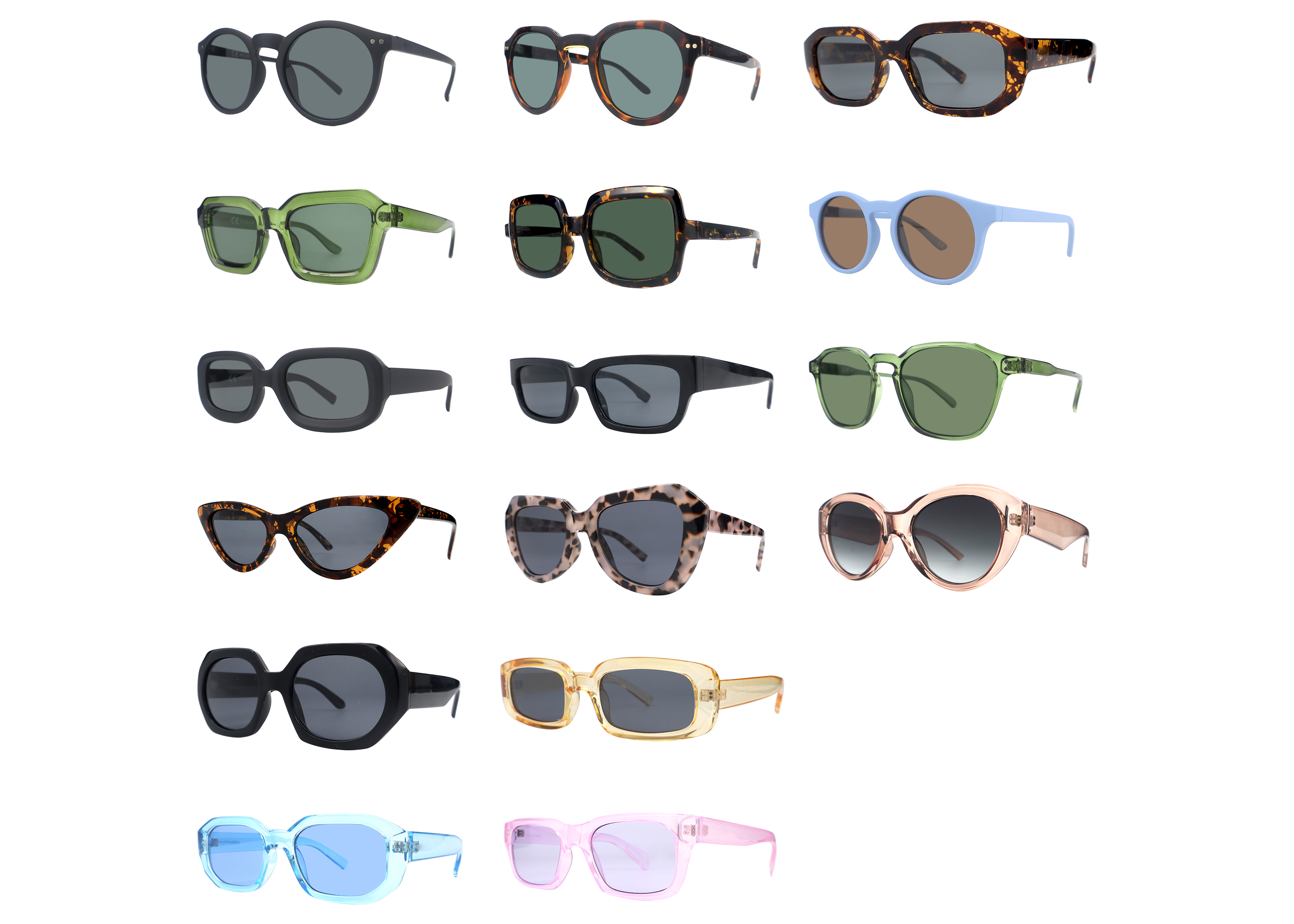
Production environment images are useful when they help buyers discuss workflow, sample handling, inspection points, and repeat order support.
Samples should be checked like a small version of your future bulk order. Do not approve a sample only because the shape looks attractive. Check the details that may affect customer complaints, returns, and repeat purchase confidence.
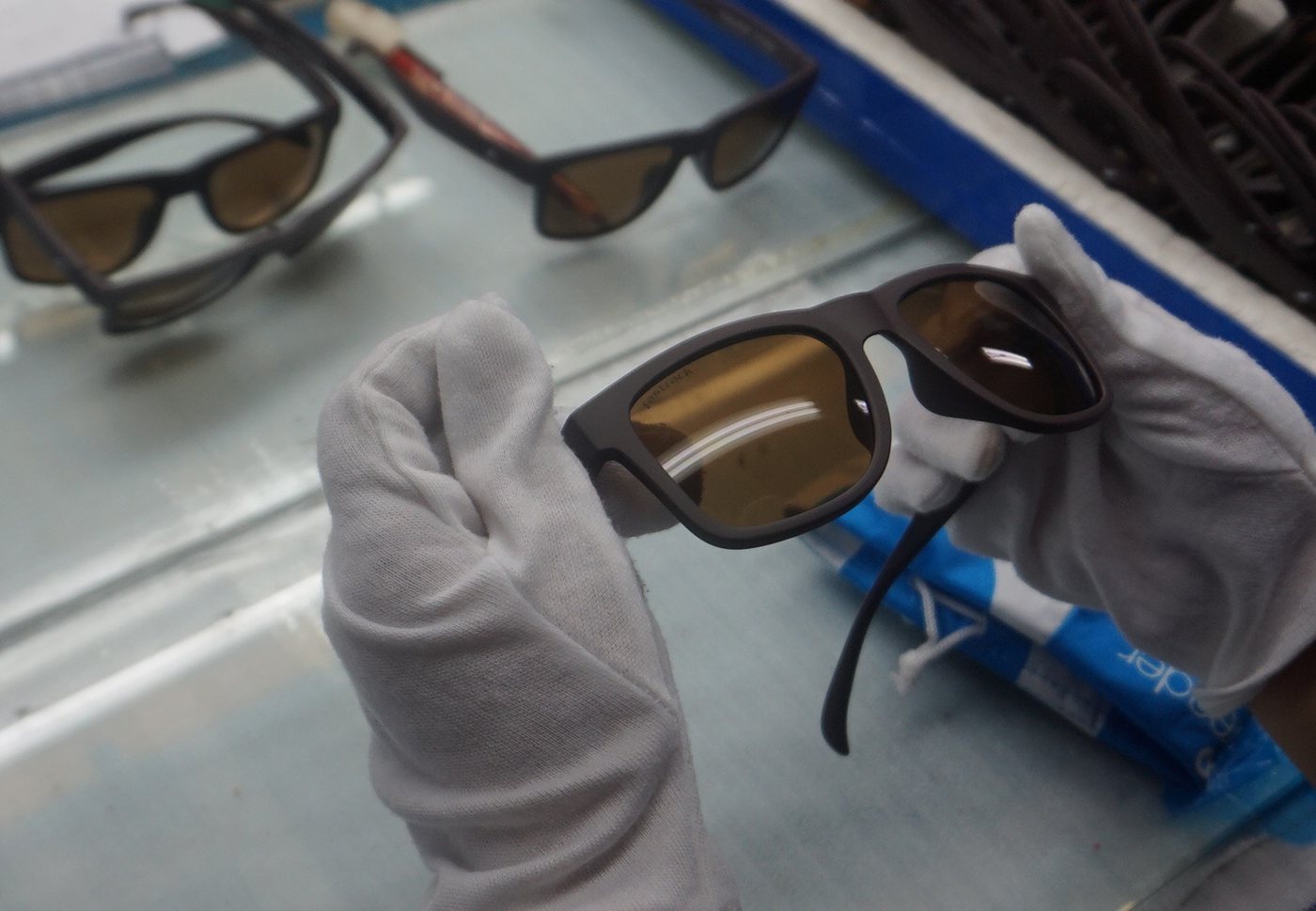
Packaging-before-QC images help buyers focus on frame finish, lens fitting, temple movement, surface defects, and final presentation before shipment.
| Sample checkpoint | What buyers should look for |
|---|---|
| Frame finish | Surface marks, color consistency, injection lines, polishing quality, and overall appearance. |
| Hinge and temple movement | Smooth opening and closing, screw tightness, temple balance, and wearing comfort. |
| Lens fitting | Lens color, fitting stability, edge alignment, visual clarity, and required lens function if specified. |
| Logo and packaging | Logo position, logo size, printing or engraving effect, pouch, case, box, label, barcode, and carton mark. |
Different markets may require different documents, tests, or product information. Importers should ask suppliers what documents can be provided and whether extra testing is needed for the target market. Do not assume that every product, lens, or order automatically has the same certification status. Final document requirements should be confirmed based on product type, destination market, and buyer requirements.
If your order needs UV400, polarized lenses, specific labeling, or market-related compliance documents, include those requirements before sampling. You can also review Jingseyewear company and certificate-related information through the certificate page when preparing supplier evaluation.
A structured comparison is more useful than collecting many prices. Importers and distributors can use the table below to compare supplier fit before moving to samples or bulk order discussion.
| Evaluation area | Good sign | Risk sign |
|---|---|---|
| Product range | Can recommend suitable styles by buyer type and market. | Only sends random products without understanding your channel. |
| Quotation clarity | Explains material, lens, logo, packaging, MOQ, and sample factors. | Gives a low price without confirming specifications. |
| Sample process | Confirms sample details before production and accepts clear feedback. | Pushes bulk order before sample details are checked. |
| QC communication | Discusses inspection points, packaging checks, and shipment expectations. | Avoids quality details or gives only general promises. |
To get a useful quotation, send a clear project brief. This reduces misunderstanding and helps the supplier recommend realistic options.
Jingseyewear supports importers, distributors, eyewear brands, and private label buyers with product selection, OEM/ODM communication, sampling, packaging discussion, and order follow-up. You can review our eyewear products, learn more about eyewear services, or request the eyewear catalog before preparing your sourcing plan.


Please Read On, Stay Posted, Subscribe, And We Welcome You To Tell Us What You Think.



Copyright @ 2026 Xiamen Jings Eyewear Co., Ltd. All Rights Reserved.
 Network Supported