
You approved the sample. The production is finished. The container is booked. But before you sign off on that final shipment, there is one step that separates importers who build reliable supply chains from those who deal with constant returns: a structured pre-shipment quality inspection. This guide gives you a practical eyewear QC checklist you can use whether you inspect the goods yourself, hire a third-party inspector, or ask your factory to self-report against your standards.
Eyewear is a product category where small defects create big problems. A misaligned hinge, a scratched lens, or a loose nose pad might seem minor at the factory, but for your end customer — whether a retail shopper, an Amazon reviewer, or a chain store buyer — those issues mean returns, complaints, and brand damage. In the eyewear industry, return rates on poorly inspected shipments can reach 5-15%, while well-managed suppliers with clear QC protocols typically maintain defect rates under 2%.
The key difference is not luck or a "better factory." It is whether the buyer defines inspection criteria before production starts and enforces them before goods leave the factory. A written checklist — shared with your supplier at the order confirmation stage — removes ambiguity and gives both sides a common standard.
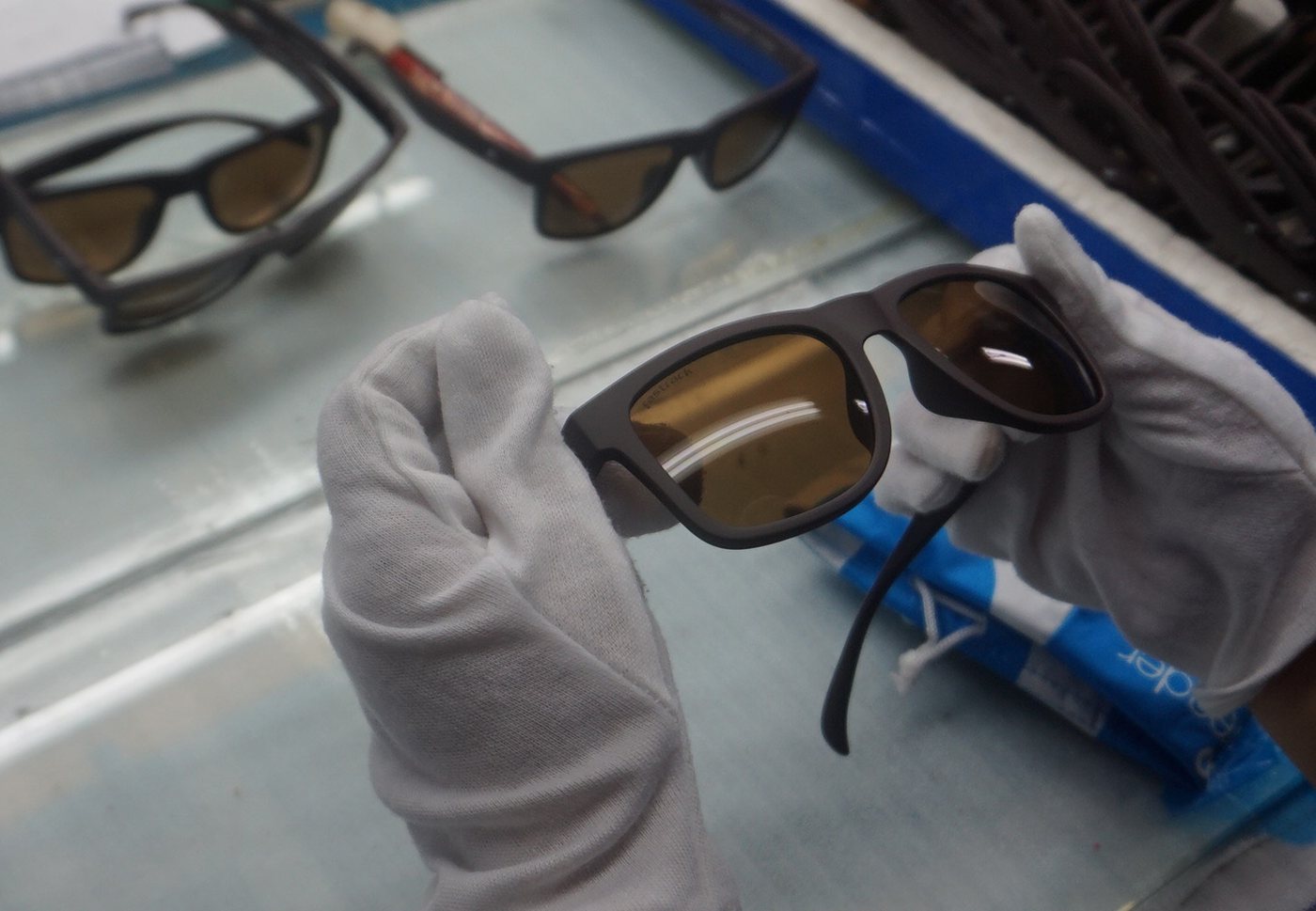 |
What This Image Tells You as a BuyerThis is what a structured pre-shipment check looks like in a real production environment. Each pair is inspected individually — frame alignment, lens seating, hinge tension, surface finish, and packaging accuracy. When evaluating a supplier, ask whether they perform this level of check before boxing, and request photo or video evidence as part of your order confirmation process. Review Eyewear OEM/ODM Services |
Effective eyewear QC is not just a final-box check. It spans three stages, and each one catches different types of problems:
Below is a field-level checklist organized by inspection category. You can hand this directly to your QC team, share it with your factory as a self-inspection standard, or use it to build your own inspection report template.
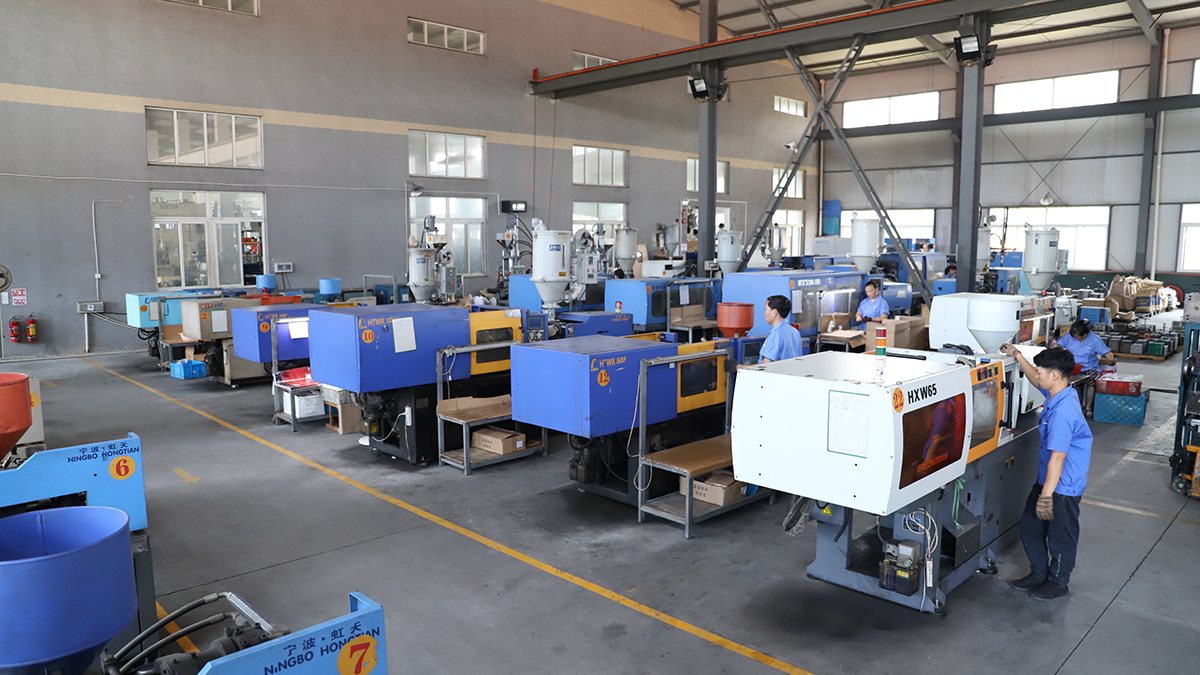 |
Understanding the Production EnvironmentA clean, organized production floor is often a reliable indicator of consistent quality management. When selecting or evaluating a manufacturing partner, ask for photos or a virtual tour of the assembly and QC areas. Disorganized workstations, mixed batches without separation, or absent inspection stations are warning signs that quality control may not be systematic. About Jingseyewear |
You cannot inspect every single pair in a bulk order — but you need a statistically meaningful sample. The most widely used standard for pre-shipment inspection is AQL (Acceptable Quality Level) sampling, typically based on ISO 2859-1. Here are common AQL levels for eyewear:
| Defect Category | AQL Level | What It Means |
|---|---|---|
| Critical (safety hazard) | 0 | Zero tolerance — sharp edges, broken lenses, loose screws that could injure |
| Major (functional issue) | 1.0 - 2.5 | Misaligned hinges, loose nose pads, lens pop-out, wrong color |
| Minor (cosmetic) | 2.5 - 4.0 | Light scratches visible only under close inspection, slight color variation |
For a typical order of 1,000-3,000 pairs, a general inspection level II with AQL 2.5 for major defects usually means inspecting 80-125 random units. Discuss and agree on AQL levels with your supplier before production begins — do not wait until the goods are packed to define what "acceptable" means.
Even experienced importers sometimes miss critical steps. Here are the most common mistakes that lead to quality disputes:
Jingseyewear follows structured quality control at every production stage — from incoming materials to final packing. Send us your product details and we will walk you through our inspection process, provide sample QC reports, and discuss how we can match your quality standards.
Send Your Eyewear Project Details
Prevention is always cheaper than inspection. The sample approval stage is where you lock in your quality expectations. Before signing off on a production sample, verify the following:
| Check Item | What to Confirm | Why It Matters |
|---|---|---|
| Frame dimensions | Lens width, bridge width, temple length match spec | Wrong dimensions mean the frame does not fit the target face size |
| Material confirmation | Frame material, lens material, and hinge type match order | Material substitution is a common cost-cutting risk |
| Color and finish | Frame color, lens tint, and logo color match approved sample | Color deviation is the #1 eyewear order dispute |
| Logo placement | Position, size, and method (engrave, print, metal tag) match spec | Incorrect logo is expensive to fix after production |
| Packaging sample | Case, pouch, cloth, tags, and box printing match spec | Packaging errors are common and often missed until delivery |
| Functional test | Hinges, nose pads, lens fit, and temple flex all work properly | Cosmetic pass does not guarantee functional pass |
Depending on your target market, certain certifications and test reports may be required or strongly recommended. These documents should be requested and verified during the order process — not after shipment:
Always verify that certificates are issued to the specific factory producing your order, not a different facility. Certificates that are expired, issued to a different company name, or not matched to your product type are not reliable. View Jingseyewear Certificates
If you cannot be at the factory in person, a third-party inspection service is a practical option. Consider hiring an independent inspector when:
Third-party inspection typically costs $300-600 per inspection day in China, depending on the location and scope. Compared to the cost of a container of defective goods, this is a small investment. Learn About Jingseyewear QC Process
When creating or requesting an inspection report, make sure it includes these fields:
| Field | Description |
|---|---|
| PO Number / Model Number | Links the report to your specific order |
| Total Order Quantity | Units ordered vs. units presented for inspection |
| Sample Size & AQL Level | How many units inspected and at what acceptance criteria |
| Defect Summary | Number and type of critical, major, and minor defects found |
| Photos | Photos of defects, random samples, carton markings, and overall shipment |
| Result | Pass / Fail / Conditional pass with re-inspection required |
| Inspector Signature & Date | Who inspected, when, and at which facility |
The most common approach is a mid-production check (when 20-50% of goods are finished) and a final random inspection (when 80-100% of goods are packed). For first orders or complex custom projects, consider adding an initial production check to verify materials and setup before mass production begins.
Yes, if you have staff near the factory or can visit in person. The checklist in this article is designed for self-inspection as well. However, for your first order with a new factory, or for orders above $5,000, a professional inspector with AQL training adds significant value and provides an independent report.
A factory that refuses pre-shipment inspection is a significant red flag. Legitimate manufacturers expect and welcome quality checks — it protects both parties. If a factory resists inspection, consider whether this is a supplier you want to build a long-term relationship with. You can also contact Jingseyewear to discuss how we handle QC transparency with our clients.
The response depends on severity. For critical defects (safety issues), the entire batch should be held and reworked. For major defects above the AQL limit, negotiate with the factory for rework, replacement, or a credit. For minor defects within AQL, you may accept the shipment with documentation. Always agree on remediation terms in your purchase contract before production starts.
Jingseyewear provides structured quality inspection at every production stage. Whether you need sunglasses, optical frames, sports eyewear, or kids sunglasses, we can walk you through our QC process and provide sample inspection reports for your review.
Send Your Inquiry
Quality inspection is not a one-time event — it is a system. The importers who build reliable eyewear supply chains are the ones who define their standards clearly, communicate them early, and verify them consistently. Use this checklist as a starting point, adapt it to your product and market, and make quality verification a non-negotiable part of every order.


Please Read On, Stay Posted, Subscribe, And We Welcome You To Tell Us What You Think.



Copyright @ 2026 Xiamen Jings Eyewear Co., Ltd. All Rights Reserved.
 Network Supported